Trade fair stand guide: concept to floor management
A trade fair stand has to attract visitors, explain a business in seconds and support conversations that lead to sales. This guide covers the stages from the first brief to the final day on the floor.
Updated 23 November 2026 · by the Zsight production team
1. Start with the objective
Decide what the stand has to achieve: leads, product demonstrations, meetings with existing customers or brand awareness. The objective sets the size, layout and staffing. Check the organiser's rules, stand dimensions, height limits and technical regulations before concept work starts.
2. Concept and layout
A stand concept explains the idea and shows the plan: entrance, product area, meeting area, storage and staff space. Sightlines from the aisle matter. Visitors decide in seconds whether to enter, so the brand and the main message must be readable from a distance.
3. Build and logistics
- Technical drawings and approvals from the fair organiser.
- Production of the stand elements and graphics.
- Transport, build-up schedule and permits.
- Power, internet and rigging orders.
- Dismantling and storage after the fair.
4. Floor management
Someone has to run the stand every day: a daily briefing, staff rota, lead capture process, cleaning and maintenance, and a quick response to anything that breaks. A floor manager keeps visitors and staff in a good rhythm and reports at the end of each day.
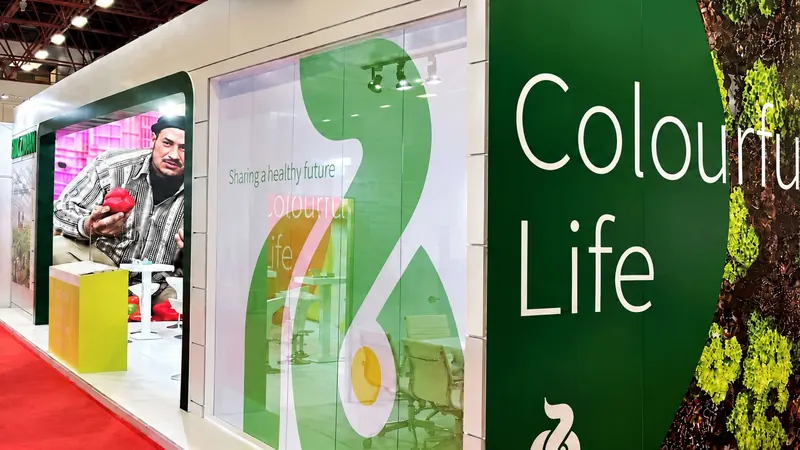
Zsight ran Rijk Zwaan's stand at GrowTech in Antalya from concept to build and floor management across four editions, with 10,000+ visitors.
5. Content for the fair
Plan content before the show: product films, screens, social posts and a plan for filming on site. Short films recorded at the stand extend the reach of a fair long after it ends. Zsight filmed at Aselsan's stand during IDEF 2025 and edited the final videos.
6. Congresses and conferences
Conferences add stages, sponsor areas and networking zones. Istanbul Blockchain Week 2026 had three stages, 80+ sponsors and around 5,000 attendees, and Zsight handled production, venue layout and set design for the stages, the sponsor experiences and site operations.
7. After the fair
Qualify and follow up leads within days, review which stand features worked and keep the stand design flexible so it can be reused or adapted for the next edition.
A stand planning timeline
- Months before: brief, budget and fair registration.
- Concept and drawings approved by the organiser.
- Production, graphics and logistics booked.
- Build-up days before opening.
- Fair days with daily floor management.
- Dismantling, return logistics and a debrief with the team.
Common mistakes
- Too much text and too many messages on the stand.
- No area for private conversations.
- Late orders for power and internet.
- Staff who are not briefed on the main message.
- No process to capture and follow up leads.
Related services
Trade fairs and congresses
Trade fair stand design, build and floor management, and congress production, delivered from Istanbul for European brands.
Content and post-production
Aftermovies, social content, documentaries and post-production for events and teams, produced with our partner studio Tolk Studio.
Related projects


Questions
How long does it take to design and build a trade fair stand?
It depends on the size and the organiser's deadlines. Plan concept and approvals well before the fair and leave time for production and logistics.
What is floor management?
Floor management is the daily running of the stand during the fair: staff rota, briefings, lead capture, maintenance and reporting.
Can the same stand be reused?
Many stands are modular so the same elements can be used again with new layouts and graphics, as in a stand that ran across four editions of the same fair.
Planning something similar?
A producer replies within one working day with first ideas, questions and a budget range.
Start a project