Projection mapping: how a show is planned and delivered
Projection mapping turns a building, a stage or an object into a moving screen. This guide explains the stages of a mapping project, what to prepare and what to ask of the team that produces it.
Updated 23 November 2026 · by the Zsight production team
1. Survey the surface
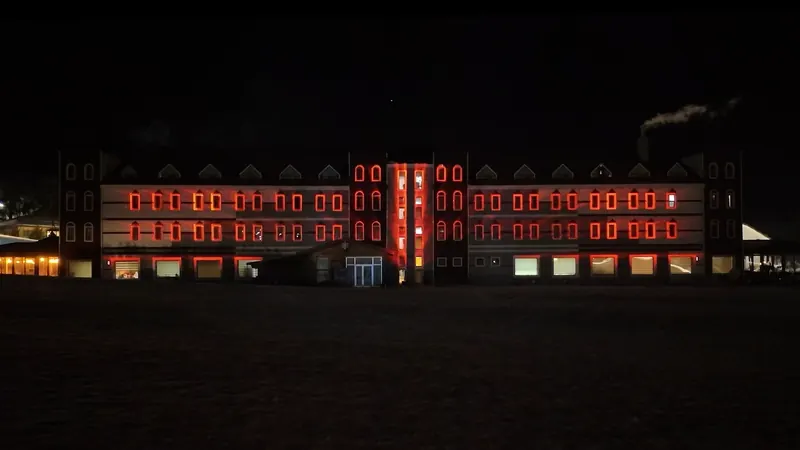
The first step is a survey of the surface: dimensions, material, colour, texture and the position from which the audience will watch. A scan or measured drawing becomes the base for the content. Light-coloured, matte surfaces work best, and architectural details such as windows and columns can be used creatively.
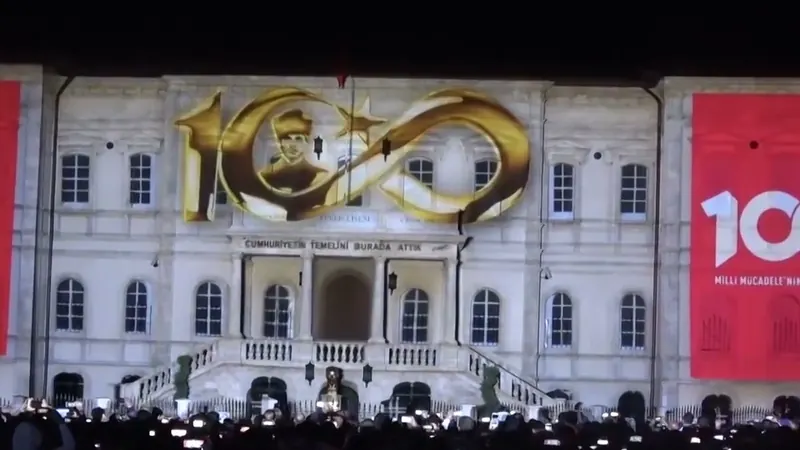
For historic buildings, permits and conservation rules come first. Zsight projection-mapped the façade of the historic Congress Building in Sivas for the Sivas Congress centenary in 2019, with 3,000+ people on site.
2. Concept and story
A mapping show needs a story with a beginning, a rhythm and an end. Decide how long it runs, whether it loops, and which music or narration accompanies it. Match the tone to the occasion: a commemoration, a launch and a brand event call for different treatment.
3. Content production
Designers produce the animation to fit the measured surface. The content is tested on a simulated model and adjusted until it follows the geometry of the façade or stage.
4. Projector planning
- Projector positions and distance to the surface.
- Brightness needed for the ambient light and the size of the surface.
- Lenses, blending between projectors and redundancy.
- Power, cabling and weather protection for outdoor shows.
- Media servers and show control.
5. Alignment and rehearsal
On site, projectors are aligned and calibrated to the surface, usually at night. The team runs the show end to end with sound, adjusts colours and brightness and tests backup systems.
6. Safety and permits
Plan crowd areas, projector positions and cabling for safety, and agree permits with the owner and local authorities. Outdoor shows also need a weather plan.
7. Stage and indoor mapping
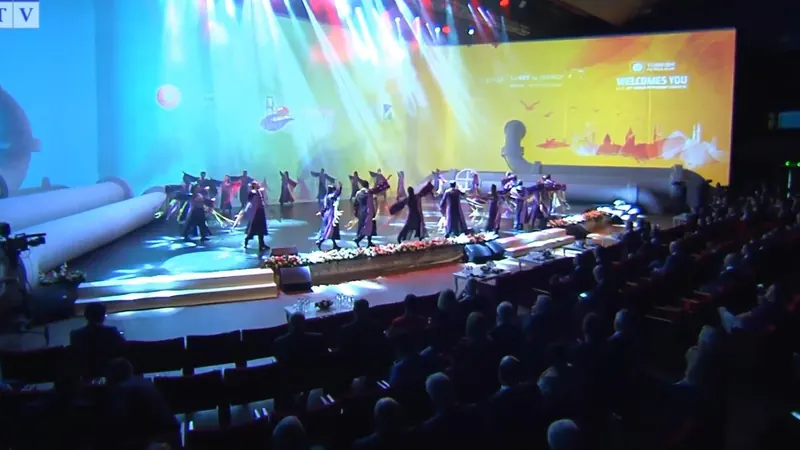
The same approach applies to stages and indoor spaces. Mapping on a stage or on objects can be part of a launch, a dealer meeting or a ceremony. For the 22nd World Petroleum Congress in Istanbul, delivered with the Presidency of the Republic of Türkiye, video mapping supported a congress with 12,000 participants from 102 countries.
What to prepare before you brief a team
- Drawings or photos of the surface, and who owns it.
- The occasion, the audience and the date.
- Required duration and whether the show loops.
- Music, narration or branding requirements.
- Access, power and viewing positions.
- Permits and approvals from owners and authorities.
Common mistakes
- Skipping the surface survey.
- Content that looks good on a flat screen but ignores the architecture.
- Underestimating ambient light.
- No backup projectors or media server.
- No crowd and safety plan for the viewing area.
Related services
Projection mapping and holograms
Projection mapping and hologram shows for façades, stages, launches and ceremonies, produced from Istanbul.
Launches and brand experiences
Product launches, brand activations and branded spaces concepted, built and run from Istanbul for European and international brands.
Related projects
Questions
How long does a projection mapping project take?
Allow time for the survey, concept, content production and on-site calibration. Timelines depend on the size of the surface and the complexity of the content.
Can projection mapping be done in daylight?
Mapping works best after dark. In bright conditions a much brighter projection system is needed, and the surface must reflect enough light.
Is projection mapping suitable for indoor events?
Yes. Stage and product mapping are used at launches, dealer meetings and ceremonies, including events outside Türkiye.
Planning something similar?
A producer replies within one working day with first ideas, questions and a budget range.
Start a project